
.avif)
If you've been diagnosed with a serious illness or injury and can no longer work, one of the first questions you're probably asking is: Does my condition actually qualify for Social Security disability benefits?
The short answer is: it depends far less on your specific diagnosis than most people think, and far more on how severely your condition limits your ability to work. This guide breaks down which physical and mental conditions most commonly qualify for Social Security disability in Texas, what evidence the SSA looks for under each category, and what to know before you apply.
The Basic Criteria: What the SSA Actually Looks For
Before discussing specific conditions, it helps to understand the Social Security Administration's legal definition of disability. The SSA considers you disabled if you have a medically determinable physical or mental impairment (or a combination of impairments) that:
- Has lasted, or is expected to last, at least 12 continuous months, or is expected to result in death, and
- Prevents you from engaging in substantial gainful activity (SGA). This means you cannot earn above roughly $1,690/month (the 2026 threshold for non-blind individuals).

A few things worth knowing upfront:
- Your eligibility is less about your diagnosis and more about your ability to work. Two people with the same condition can get completely different outcomes. Someone whose diabetes is well-controlled with medication may be denied, while someone who is repeatedly hospitalized for diabetic complications may qualify easily.
- Having multiple conditions strengthens your claim. If back pain prevents you from doing manual labor, and severe depression makes it impossible to work in customer-facing roles, the combination disqualifies you from far more jobs than either condition alone.
- Consistent medical treatment matters. The SSA wants to see that you are actively receiving care and following your doctor's recommendations. Gaps in treatment are one of the most common reasons claims are weakened or denied.
- Age plays a significant role. If you are under 50, you generally must prove that you cannot perform any job in the national economy. If you are over 50 (especially with a history of physical labor), the SSA's Medical-Vocational Guidelines (the "Grid Rules") make it significantly easier to qualify. This is one of the most important and underused tools in disability law.
How the SSA Evaluates Conditions: The Blue Book
The SSA maintains a reference called the Listing of Impairments (or commonly called the "Blue Book"), organized by body system. Each listing specifies clinical criteria and the required medical evidence. Meeting a listing is the fastest path to approval.
However, most approved claims don't exactly match a Blue Book listing. Many are won through a medical-vocational allowance determination, proving that your residual functional capacity (RFC) is so limited that no jobs exist in significant numbers in the national economy that you could perform, given your age, education, and work history. This is especially relevant for Texans over 50 with a background in manual labor.
Mental Health Conditions
Mental illness accounts for a significant portion of all disability claims, and the SSA does recognize it, but mental health conditions are among the hardest to win as standalone primary claims. The SSA has a high bar, partly because symptoms vary from person to person and cannot always be measured by standard medical tests.
Conditions that can qualify include:
- Major depressive disorder
- Bipolar disorder
- Anxiety and panic disorders
- Post-traumatic stress disorder (PTSD)
- Schizophrenia and other psychotic disorders
- Obsessive-compulsive disorder (OCD)
- Autism spectrum disorder
- Intellectual disability and specific learning disabilities
- Borderline personality disorder
- Eating disorders
Signs your mental health condition may qualify: you've been hospitalized recently for your mental illness; you have documented failed work attempts; you struggle to understand, remember, or apply information; your condition significantly affects your ability to interact with others; you have trouble concentrating or maintaining pace; or you struggle to manage basic self-care and adapt to change.
In practice, the highest success rates come from documenting severe mental illness as a secondary condition alongside a primary physical impairment. When your body breaks down, your mental health often follows. A well-built, potentially successful claim reflects that full picture. If you're applying based on mental illness alone, having an experienced disability attorney significantly improves your chances.
Musculoskeletal and Orthopedic Conditions

Musculoskeletal disorders are the single most common basis for SSDI claims. Around 30% of all recipients have one. If chronic pain or limited mobility prevents you from standing, walking, sitting, or lifting for sustained periods, you may have a strong claim.
Commonly qualifying conditions include:
- Degenerative disc disease
- Herniated discs with radiculopathy
- Spinal stenosis
- Severe scoliosis or kyphosis
- Osteoarthritis and rheumatoid arthritis
- Severe knee dysfunction or joint replacement complications
- Carpal tunnel syndrome and repetitive stress injuries
Evidence the SSA looks for: MRI and X-ray imaging confirming your diagnosis, records from orthopedic surgeons, neurosurgeons, physical therapists, or pain management specialists, and functional assessments from your treating physician documenting what you can and cannot do. Further, the SSA wants to see evidence regarding how long you can sit, stand, or walk, and how much you can lift.
Cardiovascular Conditions
Heart disease and cardiovascular conditions account for nearly 7% of SSDI recipients. The SSA evaluates these under its cardiovascular listings, looking at how your condition affects your heart's ability to function and your capacity to sustain physical activity.
Commonly qualifying conditions include:
- Congestive heart failure (CHF)
- Coronary artery disease (CAD)
- Arrhythmias (a heart rhythm problem)
- Peripheral artery disease (PAD)
- Postural orthostatic tachycardia syndrome (POTS)
Signs your heart condition may qualify: you become winded after minimal activity; you experience chest pain, leg swelling, or chronic fatigue; your condition has not improved with medication; you've had bypass surgery, stent placement, or a pacemaker installed; you regularly see a cardiologist.
Evidence the SSA looks for: echocardiograms, stress test results, ejection fraction readings, Holter monitor data, hospitalizations, and surgical records.
Cancer
Cancer qualifies for disability when the disease itself, as well as the aggressive treatments required to fight it, including chemotherapy, radiation, and surgery, prevents you from maintaining full-time employment for 12 months or more. Any type of cancer can qualify; the SSA considers the type and progression stage, whether it is inoperable or recurring, and the functional impact of treatment side effects.
Common types we see qualify: lung cancer, breast cancer, leukemia, lymphoma, gastrointestinal cancers, prostate cancer, kidney cancer, and gynecologic cancers.
The Compassionate Allowances program fast-tracks certain aggressive diagnoses (including many stage IV and metastatic cancers), potentially securing benefits in weeks rather than months. If your cancer qualifies, flagging this early in your application can make an enormous difference.
Evidence the SSA looks for: biopsy and pathology reports, oncologist treatment records, imaging showing tumor stage or spread, surgical records, and documentation of treatment side effects such as severe fatigue, neuropathy, cognitive fog, and nausea.
#cta_start
Not Sure If Your Condition Qualifies? Get an Honest Answer.
Most people wait too long to call a disability attorney for help. If your condition is keeping you from working, don't guess, and don't try to navigate the SSA's complex system alone.
#cta_end
Neurological Conditions
Neurological disorders affect the brain, spinal cord, and nerves, and can be profoundly disabling even when not immediately visible to others. Some neurological conditions (including ALS) automatically qualify for disability benefits.
Commonly qualifying conditions include:
- Traumatic brain injury (TBI)
- Stroke with lasting physical or cognitive deficits
- Multiple sclerosis (MS)
- Parkinson's disease
- Epilepsy and seizure disorders
- Peripheral neuropathy
- Cerebral palsy
Signs your neurological condition may qualify: you have motor dysfunction that makes it difficult to stand, walk, or use your hands; you experience cognitive difficulties with memory, concentration, or following instructions; your symptoms have persisted for at least three consecutive months despite treatment; seizures occur despite prescribed medication.
Evidence the SSA looks for: neurologist records, MRI and CT imaging, EEG results for seizure disorders, neuropsychological testing, and documentation of how your condition affects motor function and cognitive ability.
Respiratory Conditions

Severe lung conditions prevent many Texans from sustaining even sedentary work due to chronic shortness of breath, reduced oxygen intake, and frequent hospitalizations. About 2.4% of SSDI recipients have respiratory conditions.
Commonly qualifying conditions include:
- Chronic obstructive pulmonary disease (COPD)
- Severe asthma
- Pulmonary fibrosis
- Cystic fibrosis
- Chronic pulmonary hypertension
Signs your respiratory condition may qualify: you've been hospitalized recently; you require supplemental oxygen; you see a pulmonologist; your pulmonary function tests show significant airflow obstruction.
Digestive System Disorders
Digestive disorders qualify when they are severe, difficult to treat, or cause systemic complications like significant weight loss, malnutrition, or frequent hospitalizations. Commonly qualifying conditions include Crohn's disease, ulcerative colitis, inflammatory bowel disease, and chronic liver disease.
The SSA also considers symptoms and procedures as evidence, such as unintentional weight loss of 10% or more, anemia with hemoglobin below 10 g/dL, and hospitalizations, all of which strengthen a claim for a digestive disorder.
Immune System Disorders
Autoimmune and immune system conditions can qualify for disability, though they are often harder to prove because symptoms fluctuate and don't always appear on standard imaging. Lupus, rheumatoid arthritis, HIV/AIDS, and systemic vasculitis are among the most common qualifying conditions. AIDS cases can often be fast-tracked by the SSA.
Evidence the SSA looks for: lab results and diagnostic imaging that confirm your diagnosis; records showing involvement of more than one organ or body system; documentation of fatigue, fevers, or involuntary weight loss; and records from a rheumatologist, neurologist, or infectious disease specialist.
Endocrine Disorders and Diabetes
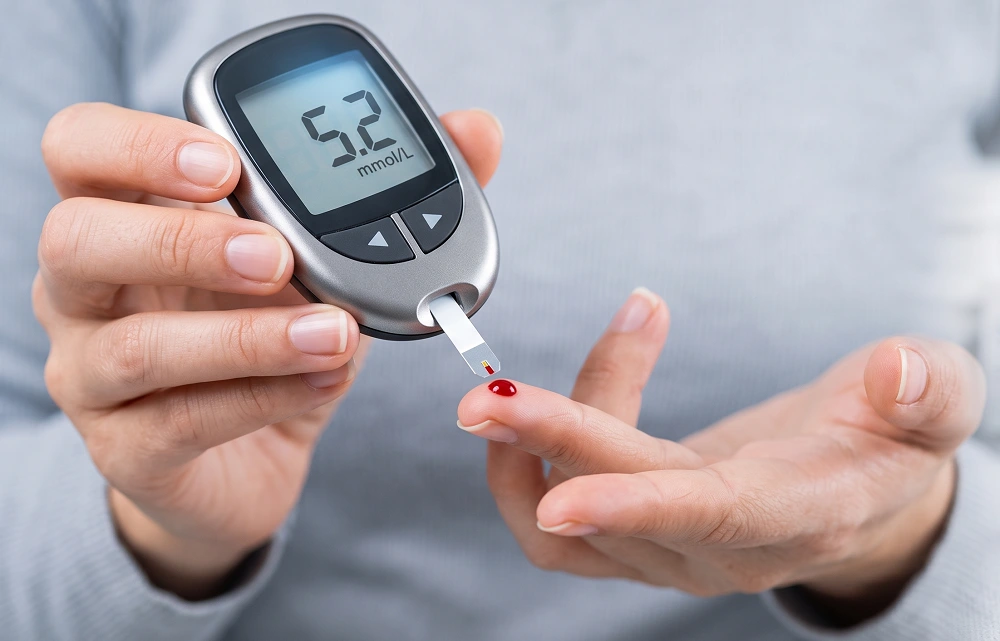
Diabetes is the most common endocrine disorder that qualifies for disability. Diabetes alone rarely meets the SSA's bar, but severe complications frequently do: diabetic neuropathy, retinopathy leading to low vision or legal blindness, kidney disease, and open wounds or amputation are all serious secondary conditions the SSA takes into account.
Other endocrine disorders, including thyroid and adrenal gland disorders, are often evaluated based on how their complications affect other body systems, such as cognitive function, bone density, or cardiovascular health.
Vision and Hearing Impairment
Sensory disorders affect around 10% of SSDI recipients. The SSA uses precise clinical definitions for both blindness and deafness.
Legal blindness is defined as central visual acuity of 20/200 or worse in the better eye with corrective lenses, or a visual field of 20 degrees or less. Low vision that doesn't meet the technical definition of legally blind can still qualify if it prevents substantial gainful activity.
Hearing loss qualifies you for SSD when it cannot be corrected with hearing aids or cochlear implants. If you've received cochlear implants, you automatically qualify for one year post-implantation. After that period, word recognition below 60% on standard audiometric testing may still qualify.
Skin Disorders
Skin conditions account for a small share of disability claims but can qualify when severe enough. Conditions like hidradenitis suppurativa, severe psoriasis, extensive burns, and chronic dermatitis may qualify, particularly when flare-ups are frequent enough to prevent a consistent work schedule, or when lesions affect the hands, feet, or joints and limit mobility or fine motor function.
Hematological Disorders
Blood disorders are generally well documented by lab tests, which is what the SSA primarily evaluates. Qualifying conditions include sickle cell disease, aplastic anemia, myelodysplastic syndromes, and bone marrow failure disorders.
Signs your blood disorder may qualify: you've been hospitalized at least three times in the last 12 months; you require RBC transfusions every six weeks; you experience vaso-occlusive crises requiring prescription pain management.
Conditions That Automatically Qualify
Certain conditions are so severe that the SSA presumes disability by diagnosis alone under the Compassionate Allowances (CAL) program. These include many aggressive cancers, early-onset Alzheimer's disease, ALS, and hundreds of other conditions. If your diagnosis is on the CAL list, your application can be fast-tracked significantly.
Similarly, TERI (terminal illness) cases, including any stage IV or metastatic cancer, ALS, and patients currently receiving hospice care, are flagged for expedited processing.
Why Some Claims Fail Even When the Condition Is Genuine

The SSA denies the majority of initial applications in Texas and nationwide. The most common reasons have less to do with the diagnosis itself and more to do with how the claim is built:
- Lack of consistent medical treatment. Without regular doctor visits, there's no objective record to evaluate. If you can't afford care, county facilities and community health centers can establish the treatment history the SSA requires.
- A condition well-controlled by medication. If your symptoms are adequately managed, the SSA may find you can still work, unless your medication side effects themselves are disabling.
- Paperwork errors. Mistakes on the Work History Report or Function Report are a leading cause of avoidable denials. These forms directly determine how the SSA understands your functional limitations.
- Earning above the SGA threshold. If you are still working and earning above roughly $1,620/month, the SSA will stop evaluating your claim regardless of your diagnosis.
Have You Already Been Denied SSDI?
An initial denial is not the end. Most successful disability awards are granted at the appeal stage, not at the initial application. You have 60 days from the date of your denial letter to file a Reconsideration appeal. If Reconsideration is denied, an Administrative Law Judge (ALJ) hearing is your next step, and statistically, it's where the majority of claims are won. Appeals to the SSA Appeals Council and even a federal district court are also available if justified.
The critical thing: do not start a new application. Doing so restarts the clock and eliminates your accumulated back pay.
Not Sure If Your Condition Qualifies?
Figuring out whether your specific condition meets the SSA's disability requirements and building the medical evidence strong enough to actually win is rarely something you can accomplish on your own. The rules are complex, the deadlines are strict, and one paperwork mistake can cost you months of back pay.
If you're in Texas and wondering whether your condition qualifies for SSDI or SSI, speaking with an experienced Social Security Disability attorney is the most reliable way to get an honest answer. At The Law Office of Burke Barclay, we offer free case evaluations with no obligation to sign up with us. We work on a strict contingency basis, with no fee unless we win, and we never charge administrative fees or costs even if your case is unsuccessful. Contact us today to schedule your free evaluation. Hablamos Español.

He practices in Social Security hearing offices throughout the United States for claimants who have been denied their SSI or SSDI benefits. He personally represents every client from the beginning stages of their disability claim to their hearing or possible appeal.
Let Us Help You Get What You're Owed
Dealing with a serious illness or injury is hard enough without fighting the federal government on top of it. We'll review your case for free, help you understand your options, and fight for the benefits you deserve.
- Request Your Free Consultation
- or Call Us Directly
 (888) 780-9125



.webp)
.webp)
